




OUR TOP PICKS
-


Step into the wonder of Erin Morgenstern’s The Night Circus with this spectacular Folio edition, featuring a new introduction by the author and spellbinding art by Cristina Bencina. A true showstopper for fantasy fans.
-

Cormac McCarthy’s sparse and beautiful writing is perfectly mirrored by Gérard DuBois’s hauntingly understated images for this Folio Society edition of the Western thriller No Country for Old Men.
-


Rome’s greatest orator, Cicero, offers a vivid insight into the late Republic through his powerful letters and speeches. Curated by classics expert Andrew Sillett, this Folio edition features Neil Bousfield’s evocative illustrations.
-

Multi-layered, violent and beautiful, Cormac McCarthy’s Blood Meridian is a modern classic justly celebrated in this Folio Society edition, illustrated by award-winning artist Gérard DuBois.



STORIES THAT STAY WITH YOU
-

Relive the gripping story of the Titanic’s final hours with A Night to Remember by Walter Lord, now in a beautifully crafted Folio Society edition. Featuring an introduction by historian Dominic Sandbrook, this is the definitive book of that fateful night, capturing the drama and tragedy of the passengers onboard.
-

Experience the magic of The Book Thief with this enchanting Folio edition. Created in close collaboration with the author and featuring illustrations by Alexis Deacon, this is a reading experience that will stay with you forever.
-

The adventures of Pooh, Piglet and friends in an exquisite illustrated edition.
-

Pompeii is historical fiction at its most addictive. Part of Folio’s Robert Harris series, alongside Fatherland, this edition features stunning illustrations by Robert Carter—perfect for fans of ancient Rome’s drama.

EXPLORE THE SERIES
-

Ready for a thrill? The Jurassic Park Collection from The Folio Society will set your heart racing and fire up your imagination with captivating illustrations that bring dinosaurs roaring to life. A must-have for Jurassic fans and sci-fi lovers alike.
-

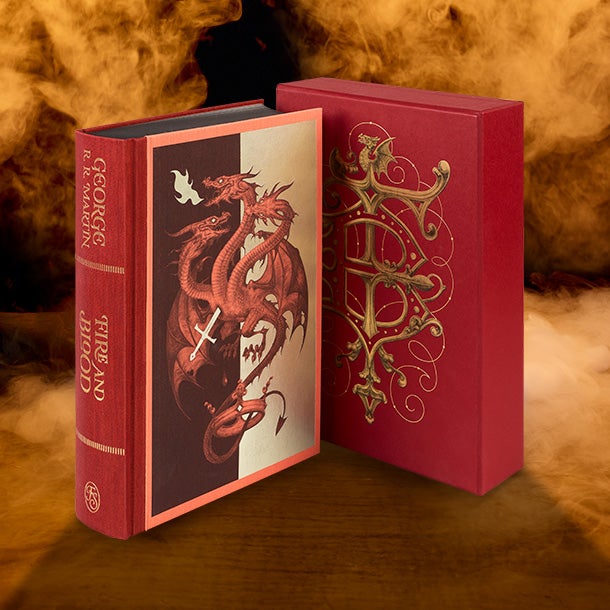
Dive into the George R. R. Martin's Westeros with The Folio Society's A Song of Ice and Fire series Illustrated by the acclaimed Jonathan Burton, each volume combines masterful storytelling with exquisite artistry.
-

Discover J.R.R. Tolkien’s Middle-earth with The Folio Society’s exquisite collection of The Hobbit, The Lord of the Rings, and The Silmarillion. Each beautifully illustrated volume is a testament to storytelling and craftsmanship, making this set a must-have for Tolkien enthusiasts.
-

Discover Frank Herbert's Dune Saga with The Folio Society's stunning collection of the original trilogy. Featuring beautiful illustrations by acclaimed artists Sam Weber and Hilary Clarcq, each volume brings Herbert's epic science fiction world to life. Enjoy masterful storytelling and exquisite artistry in this must-have set for Dune fans.
